

Maintaining a healthy lawn and landscape depends on weather conditions, soil composition, plant varieties, and seasonal changes. For homeowners looking to improve efficiency and simplify lawn care, smart irrigation technology offers a practical alternative to traditional watering schedules. Just as timely sprinkler system repair can help keep an irrigation system operating properly, upgrading to a smart controller can improve how and when water is distributed throughout a property. With features such as automated scheduling, remote adjustments, and weather-based controls, these devices may help homeowners conserve water, reduce unnecessary expenses, and maintain healthier outdoor spaces.
What Is a Smart Irrigation Controller?
A smart irrigation controller manages an outdoor watering system using programmed schedules and, depending on the model, information about local weather, soil moisture, and other environmental conditions. Unlike conventional timers that run according to fixed schedules, smart controllers can adjust watering based on changing circumstances.
Traditional controllers typically operate at predetermined times and intervals. While this approach can work for straightforward landscapes, it does not always account for rainfall, temperature fluctuations, or changing plant requirements. A schedule that makes sense during a hot, dry stretch may waste water when cooler temperatures arrive or several days of rain leave the soil saturated.
Smart controllers provide greater flexibility by allowing homeowners to create customized schedules and, with compatible equipment, automatically modify them as conditions change. Some models connect to local weather data, while others can work with soil moisture sensors or flow-monitoring devices.
For homeowners considering irrigation system upgrade services, understanding these features can help determine whether the technology fits their property and budget.
Automated Scheduling Makes Lawn Care Easier
One of the biggest advantages of a smart irrigation controller is the ability to automate watering schedules around the needs of the landscape.
Homeowners can generally program different watering times and durations for individual irrigation zones. This is useful because a lawn, flower bed, vegetable garden, and shaded planting area may have different moisture requirements. A single schedule applied uniformly across the entire property can leave some plants too wet while others receive insufficient water.
Automated scheduling allows homeowners to establish a routine that reflects these differences. Once the system is configured, it can run without requiring daily adjustments.
Many smart controllers also support seasonal schedule changes. As temperatures rise during summer or fall in cooler weather, watering requirements change. A controller with seasonal adjustment features can help homeowners modify irrigation without repeatedly rebuilding the entire schedule.
Automation is especially helpful for people with busy work schedules, frequent travel, or large properties with multiple watering zones. Instead of remembering to turn the system on and off, homeowners can rely on programmed settings while periodically checking that the system continues to perform as expected.
However, automation does not eliminate the need for maintenance. Incorrectly positioned sprinkler heads, damaged components, clogged nozzles, and poorly configured zones can still lead to uneven coverage. A smart controller can improve scheduling, but the irrigation equipment itself must also be functioning properly.
Remote Adjustments Offer Greater Control
Another useful feature is the ability to manage watering from a smartphone or other connected device. Depending on the model, homeowners can review schedules, start or stop watering cycles, and make adjustments without visiting the controller itself.
This convenience can be valuable when weather changes unexpectedly or plans shift. For example, someone preparing to leave town can check the system remotely rather than relying on a neighbor to manage watering. A homeowner who notices that a particular garden bed is drying out may also be able to adjust the relevant zone, provided the system is configured to support that change.
Remote access can be particularly useful for larger properties where irrigation controllers are installed in garages, utility rooms, or other locations that are not convenient to reach.
Some systems provide alerts or notifications when a watering cycle starts, stops, or encounters a potential issue. More advanced equipment may also identify unusual water flow, which can help homeowners investigate possible leaks or malfunctioning components.
The available features vary considerably between models. Some controllers offer straightforward app-based scheduling, while others provide detailed water-use information, sensor integration, and more advanced monitoring tools.
Before purchasing a system, homeowners should consider which capabilities they will actually use. A simple connected controller may be sufficient for a small residential lawn, while a property with extensive landscaping may benefit from more sophisticated controls.
Weather-Based Controls Can Reduce Unnecessary Watering
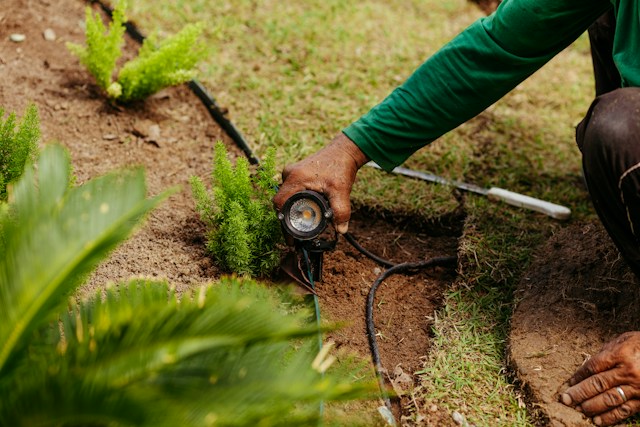
Weather-based adjustments are among the most compelling reasons to consider a smart irrigation controller. Rather than following a rigid schedule regardless of conditions, compatible systems can use weather information to determine when watering should be reduced, delayed, or skipped.
For example, a controller connected to a weather service may postpone irrigation when rainfall is expected or adjust watering durations during cooler periods. Some systems calculate estimated landscape water requirements using information such as temperature, rainfall, sunlight, humidity, and wind.
Other systems use soil moisture sensors to measure conditions closer to the plants themselves. When the soil already contains sufficient moisture, the controller may delay a scheduled cycle, depending on the system’s configuration.
These features can help prevent a common problem with conventional timers: watering simply because the schedule says it is time, even when the landscape does not need additional moisture.
The U.S. Environmental Protection Agency provides information about water-efficient irrigation and related technologies through its WaterSense program. Its guidance emphasizes the importance of using water appropriately outdoors and choosing irrigation equipment that supports efficient water use.
Homeowners should keep in mind that weather-based controls are not infallible. Forecasts can change, sensors require proper placement and maintenance, and watering recommendations must account for local soil and plant conditions. A controller also needs accurate initial settings to produce useful adjustments.
Can Smart Controllers Help Homeowners Save Water?
Potential water savings are a major consideration when deciding whether a smart irrigation controller is worth the investment.
Traditional irrigation schedules can waste water when they fail to account for rainfall, seasonal changes, or differences between landscape zones. Smart controls can help address these problems by adjusting watering to better match actual conditions.
In fact, automatic irrigation system approximately 7,600 gallons of water annually. The estimate is based on EPA’s comparisons involving more efficient irrigation controller technology, and actual results depend on the property, local climate, existing watering practices, and system configuration.
Water savings can translate into lower utility bills for households that pay for metered water, although the financial benefit depends on local rates and how much water the existing system uses. In some areas, reducing outdoor water demand may also help conserve a limited local resource during dry periods.
Smart controllers are most likely to provide meaningful benefits when they correct an inefficient schedule or prevent unnecessary watering. A homeowner who already uses a well-designed schedule and adjusts it carefully throughout the year may see a smaller improvement than someone whose existing timer runs regardless of weather.
It is also important to avoid assuming that a smart controller automatically makes every irrigation system efficient. Leaks, excessive water pressure, poor sprinkler placement, and unsuitable watering durations can still waste water. Combining smart technology with proper system maintenance provides a more complete approach to conservation.
Are Smart Irrigation Controllers Expensive?
The cost of a smart irrigation controller varies according to the number of zones it supports, its connectivity options, sensor compatibility, and the complexity of the installation. Smart controllers work best as part of a well-maintained irrigation system, so homeowners should also consider how routine inspections and preventive maintenance can help keep their watering equipment operating efficiently over time.
A basic connected controller may require only a relatively straightforward replacement, while a more advanced system could involve additional sensors, wiring changes, or other equipment. Professional installation may add to the initial cost but can help ensure the controller is configured correctly and communicates with the existing irrigation system.
Homeowners should also check whether the controller requires a subscription for advanced features, whether it depends on a stable Wi-Fi connection, and whether it is compatible with the existing valves and irrigation equipment.
To determine whether the investment makes financial sense, compare the purchase and installation costs with potential savings over several years. Consider water bills, the frequency of manual adjustments, and the value of having better control over the landscape.
There is no universal payback period. A large property with substantial outdoor water use may benefit more than a small yard with limited irrigation needs. Local water prices, rainfall patterns, and the efficiency of the existing system all influence the outcome.
Even when direct financial savings are modest, some homeowners may value the convenience, flexibility, and ability to monitor watering remotely.
What Should Homeowners Consider Before Upgrading?
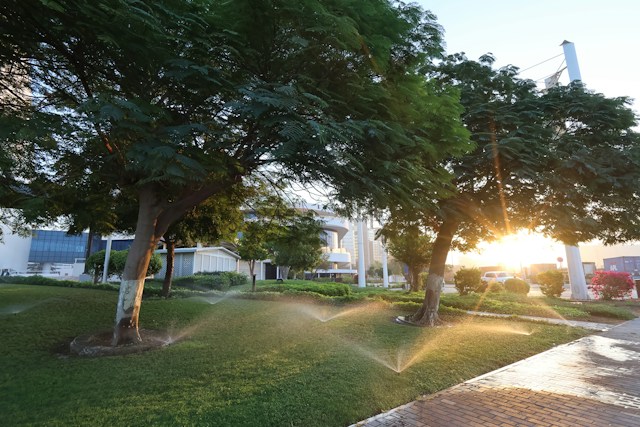
Before purchasing a smart controller, evaluate the existing irrigation system and the specific needs of the property.
Start by determining how many watering zones the controller must operate. Confirm that the replacement supports the existing system and any additional zones planned for future landscaping projects.
Next, consider the property’s environmental conditions. A landscape with sunny lawns, shaded garden beds, steep slopes, and different soil types may benefit from more detailed scheduling than a relatively uniform yard. Rain sensors, soil moisture sensors, and weather-based adjustments may provide additional value when they address conditions that a basic timer cannot manage effectively.
Connectivity is another consideration. Some controllers rely on Wi-Fi to access weather data and remote controls. Homeowners should verify that the installation location has a dependable connection and understand what happens if connectivity is temporarily lost.
Finally, evaluate the condition of the irrigation equipment. Before investing in new technology, make sure the existing system is suitable for continued use. A controller cannot compensate for broken sprinkler heads, leaking pipes, or poorly designed coverage.
An irrigation professional can help determine whether a controller upgrade is appropriate, identify equipment problems, and recommend features based on the property’s layout and watering requirements.
The Verdict: Is a Smart Irrigation Controller Worth It?
Yes, a smart irrigation controller is a worthwhile investment because it offers more flexible scheduling, convenient remote access, and the ability to respond to changing weather conditions. These features can simplify lawn care and reduce unnecessary watering when the system is configured correctly.
The greatest benefits are likely to come from matching the technology to the property’s actual needs rather than purchasing the most advanced controller available. Homeowners with extensive landscaping, high outdoor water use, or schedules that make manual adjustments difficult may find the technology especially useful.
Smart controls are not a substitute for sound irrigation practices or routine maintenance, but they can make an already functional system more responsive and efficient. By comparing the initial cost, available features, potential water savings, and compatibility with existing equipment, homeowners can decide whether an upgrade makes sense for their property and long-term landscape goals.
Leave a Reply