
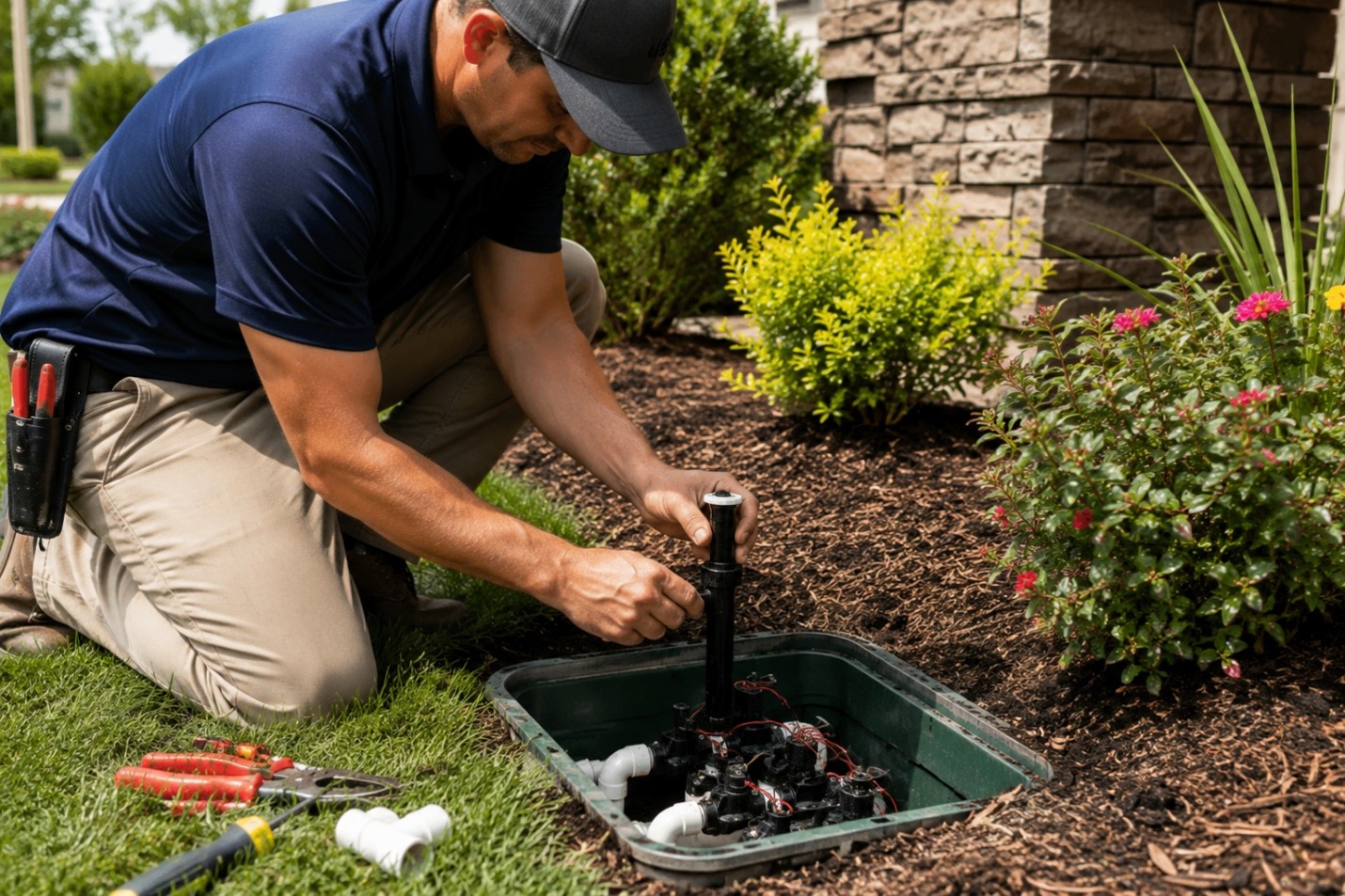
A well-designed watering system is one of the best investments a property owner can make for maintaining healthy turf, attractive landscaping, and efficient water use. Installing a irrigation sprinkler system provides consistent, automatic watering while reducing the guesswork that often leads to overwatering or dry spots. However, like any mechanical system, they require regular attention to continue performing at their best. Preventive maintenance helps identify minor issues before they become expensive repairs, extends the lifespan of system components, and ensures your landscape continues receiving the right amount of water throughout the growing season.
Why Preventive Maintenance Matters
Many homeowners and property managers assume that if water is coming out of the sprinkler heads, everything is working properly. In reality, hidden problems often develop gradually. A leaking valve, clogged nozzle, or damaged underground pipe may not immediately cause a noticeable issue, but over time these small problems can affect water pressure, increase utility costs, and place unnecessary strain on the entire system.
Routine maintenance allows technicians to catch these issues early. Replacing a worn seal or adjusting a misaligned sprinkler head is significantly less expensive than repairing extensive water damage or replacing major system components after years of neglect.
Preventive maintenance also helps ensure that every part of the system operates as intended, promoting healthier lawns and landscapes while conserving water.
Protecting Valuable Components
A watering system consists of numerous interconnected components, each playing a specific role in delivering water efficiently. These include valves, controllers, wiring, pipes, sprinkler heads, sensors, and backflow prevention devices.
When one component begins to fail, it often affects others throughout the system. For example, a leaking valve may force the pump to work harder, while clogged nozzles can increase pressure elsewhere in the system. Over time, these added stresses accelerate wear and reduce the lifespan of multiple components.
Routine inspections help keep every part functioning correctly, preventing unnecessary strain and extending the service life of the entire system.
Small Problems Rarely Stay Small
One of the greatest benefits of preventive maintenance is identifying problems before they escalate. Even relatively minor issues can significantly reduce efficiency over time. According to the U.S. Environmental Protection Agency, a household with an automatic landscape irrigation system that isn’t properly maintained and operated can waste up to 25,000 gallons of water each year, underscoring the importance of routine inspections and timely repairs.
Common issues include:
- Sprinkler heads that have shifted due to mowing equipment or foot traffic
- Leaking fittings beneath the surface
- Cracked sprinkler heads
- Clogged nozzles
- Worn seals
- Controller programming errors
- Broken sensors
- Minor pipe damage caused by tree roots or ground movement
While each issue may seem relatively minor on its own, they often lead to larger problems if left unresolved. A small underground leak will not only waste thousands of gallons of water, but can slowly erode soil around foundations or hardscapes.
Addressing these concerns early helps avoid emergency repairs, reduces unnecessary water consumption, and protects surrounding landscaping.
Improving Water Efficiency
Water conservation has become increasingly important for both residential and commercial property owners. In fact, outdoor water use accounts for more than 30% of the average household’s total water consumption, and as much as 50% of that water can be lost due to inefficient irrigation methods and systems. Even a properly designed system can become less efficient over time without regular adjustments.
Sprinkler heads may become blocked by grass growth or landscape mulch. Plants mature and alter watering patterns. Soil conditions change. Seasonal weather varies from year to year.
Preventive maintenance allows watering schedules, spray patterns, and coverage zones to be adjusted based on current landscape conditions rather than relying on outdated settings. These routine adjustments help reduce water waste while promoting healthier lawns and landscapes throughout the growing season.
These adjustments often result in:
- Reduced water waste
- Lower utility bills
- Improved turf health
- More consistent landscape appearance
- Better compliance with local watering restrictions
A properly maintained system delivers water where it is needed instead of allowing overspray onto sidewalks, driveways, or streets.
Maintaining Proper Water Pressure
Water pressure plays a critical role in system performance.
Pressure that is too high can create excessive misting, causing much of the water to evaporate before reaching the soil. High pressure also increases wear on sprinkler heads, fittings, and valves.
Pressure that is too low can prevent sprinkler heads from fully extending or create uneven coverage that leaves portions of the landscape dry.
Routine maintenance includes checking pressure throughout various watering zones to ensure consistent operation. When pressure problems are identified early, technicians can often correct them before they begin damaging equipment.
Seasonal Maintenance Makes a Difference
Changing seasons place different demands on lawn watering systems.
Spring
As temperatures rise, a watering system should be carefully inspected before regular operation begins. A comprehensive spring startup should include inspecting sprinkler heads for damage or misalignment, checking valves for leaks, testing water pressure, programming seasonal watering schedules, examining wiring connections, verifying that sensors are functioning properly, and identifying any damage caused by freezing winter temperatures.
Beginning the season with a thorough inspection helps ensure the system operates efficiently from the start, reduces water waste, and minimizes the risk of unexpected breakdowns during the busiest watering months.
Mid-Season Adjustments
As summer progresses, landscapes change significantly.
Grass becomes thicker, shrubs grow larger, and trees produce denser foliage. These changes may alter spray patterns or block portions of the watering area.
Mid-season inspections allow technicians to make adjustments that improve coverage while preventing wasted water.
Fall Winterization
In regions where freezing temperatures occur, winterization is one of the most important maintenance services.
Removing water from pipes, valves, and sprinkler heads prevents freezing damage that can crack components and require costly repairs the following spring.
Proper winterization significantly extends the lifespan of underground piping and mechanical components.
Protecting Your Investment
Landscaping is a significant financial investment.
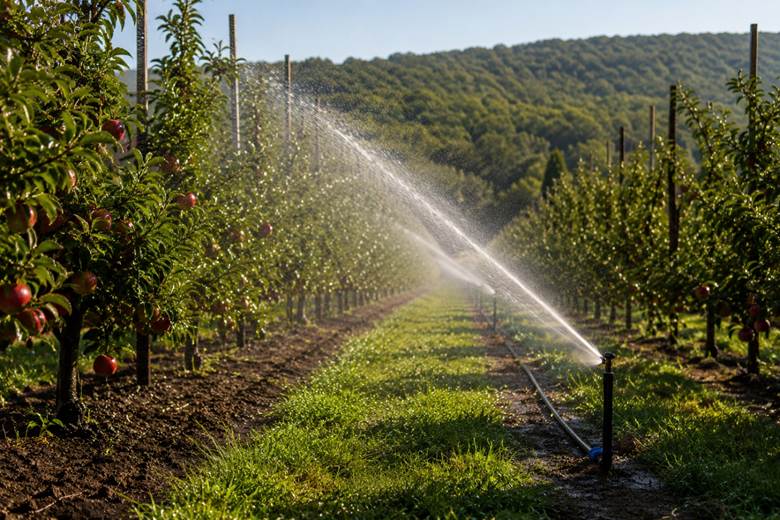
Trees, shrubs, flower beds, sod, and decorative plantings all depend on consistent watering. Even short periods of inadequate irrigation during hot weather can stress plants and require costly replacement.
Preventive maintenance helps ensure every planting area receives appropriate water coverage throughout the growing season.
Healthy landscapes also contribute to:
- Higher property values
- Improved curb appeal
- Reduced soil erosion
- Better root development
- Stronger resistance to drought stress
Maintaining the watering system ultimately helps protect the landscape it supports.
Smart Technology Requires Maintenance Too
Today’s systems now incorporate smart controllers, weather monitoring, rain sensors, soil moisture sensors, and remote management capabilities.
Although these technologies automate many watering decisions, they still require periodic inspection and calibration.
Rain sensors may become obstructed by debris. Software settings may need updating. Communication issues between controllers and connected devices can occasionally develop.
Preventive maintenance ensures these advanced features continue functioning properly, allowing property owners to benefit from improved efficiency and water conservation.
Commercial Properties Benefit Even More
For commercial properties, preventive maintenance is often even more valuable.
Office parks, homeowner associations, municipalities, schools, athletic facilities, golf courses, and retail centers rely on attractive landscaping to create positive impressions while protecting substantial investments.
Unexpected system failures can affect large portions of a property, resulting in brown turf, unhealthy plantings, or excessive water waste that becomes highly visible to visitors.
Routine maintenance programs help commercial property managers:
- Minimize emergency repairs
- Extend equipment life
- Reduce operating expenses
- Improve landscape appearance
- Maintain consistent watering performance
- Simplify budgeting for future repairs
Scheduled inspections also help identify aging components before they fail during periods of peak demand.
Saving Money Over the Long Term
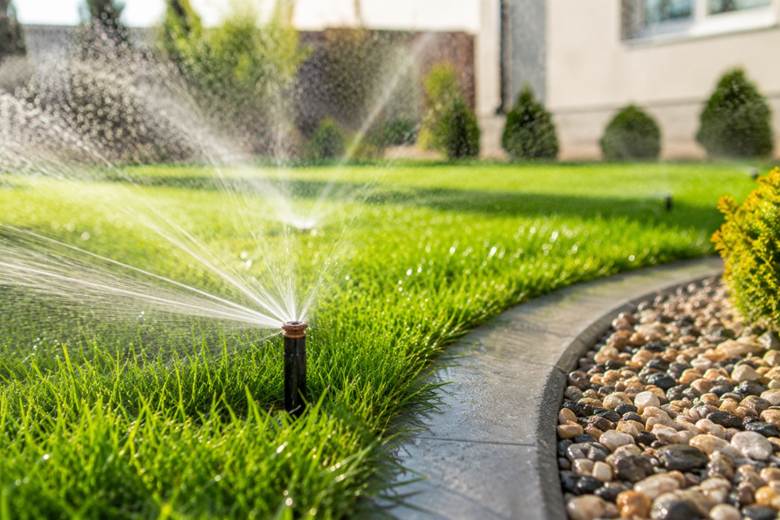
Some property owners postpone maintenance because everything appears to be working normally. However, deferred maintenance often leads to much higher repair costs over time. Preventive service helps keep expenses under control by identifying small issues before they become major problems, preventing extensive water damage, lowering monthly water bills through improved efficiency, reducing the need for emergency service calls, extending the lifespan of system components, and helping property owners avoid the cost of premature system replacement. In most cases, the cost of routine inspections and minor repairs is far less than replacing underground piping, valves, controllers, or large sections of damaged landscaping after a preventable failure.
Working With Experienced Professionals
Professional maintenance goes beyond simply replacing broken sprinkler heads.
Experienced technicians evaluate the entire system, looking at how individual components work together. They assess water distribution, controller settings, pressure levels, drainage conditions, and overall system performance.
Because they regularly work with a wide range of residential and commercial properties, professionals can often identify developing problems long before they become noticeable to property owners.
Their recommendations help prioritize repairs, improve efficiency, and maximize the long-term value of the system.
A Long-Term Investment in Performance
A lawn watering system is designed to provide years of dependable service, but longevity depends on consistent care. Preventive maintenance keeps components operating efficiently, minimizes unexpected breakdowns, and helps protect both the landscape and the investment beneath it.
Whether maintaining a residential lawn, commercial campus, athletic complex, or community landscape, routine inspections and timely repairs provide lasting benefits. By addressing minor issues early, adjusting the system as landscapes evolve, and preparing equipment for seasonal changes, property owners can enjoy healthier landscapes, lower operating costs, and reliable performance for many years to come.